
The Toyota Prius is a pioneering hybrid vehicle that has set the standard for fuel-efficient and environmentally-friendly transportation. Known for its groundbreaking hybrid technology, the Prius offers a smooth and quiet driving experience with exceptional fuel economy. The Prius features a hybrid powertrain that combines a gasoline engine with an electric motor, delivering impressive efficiency and low emissions. Its aerodynamic design, spacious interior, and advanced technology features make the Prius a practical and comfortable choice for daily commuting or long journeys. With its reputation for reliability, sustainability, and innovation, the Toyota Prius continues to be a leading choice for eco-conscious drivers seeking a greener and more efficient driving option.
TOYOTA PRIUS PROBLEMS
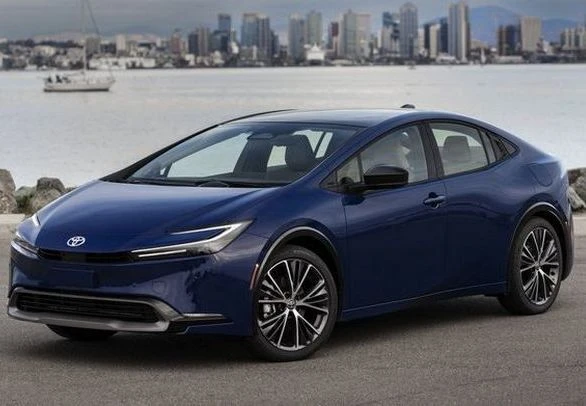
-

Worst Year
2010
-

Worst Module
Brakes
Issues by Year
Years to avoid. Click on columns for details
Malfunction Modules
Compare how reliable modules are. Select component for details
Best and Worst Years
-
Best Choice
-
Worst Choice
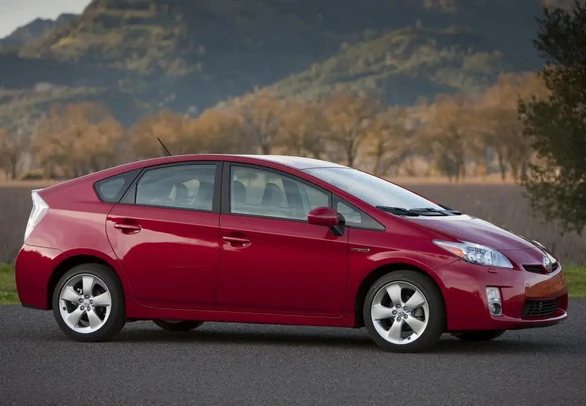
2010 Prius
Car owners are faced with the first problems after 1 miles.
Total Complaints:
3249 issues
Common Complaints and Reliability
-
1. Hybrid & Electrical System Failures:
- Sudden loss of power while driving at high speeds
- Engine stalling randomly on highways
- Hybrid battery failure causing vehicle shutdown
- Accelerator pedal sensor failure leading to loss of control
- Electronic Control Module (ECM) malfunctions causing stalling
- Dashboard warning lights appearing with no clear diagnosis
- Vehicle failing to start after sitting idle for a few days
- Hybrid system-related recalls and software issues
- Sudden loss of power while driving at high speeds
-
2. Brake & Steering System Issues:
- Power steering system failure leading to loss of control
- Steering column vibrating violently while driving
- Vehicle pulling to one side due to steering rack issues
- Brake failure after tapping pedal at high speeds
- ABS and traction control system failures
- Erratic braking response causing sudden stops or loss of braking power
- Power steering system failure leading to loss of control
-
3. Acceleration & Stability Problems:
- Unintended acceleration when shifting gears
- Loss of speed unexpectedly while driving on the freeway
- Unstable handling in windy conditions or at high speeds
- Car fishtailing and wandering on highways
- Vehicle surging forward while parking
- Unintended acceleration when shifting gears
-
4. Tire & Suspension Problems:
- Premature tire wear within 10,000–20,000 miles
- Tire blowouts at high speeds, sometimes leading to loss of control
- Frequent tire tread separation causing safety concerns
- Vehicle alignment issues leading to uneven tire wear
- Suspension problems causing excessive vibrations
- Premature tire wear within 10,000–20,000 miles
-
5. Structural & Safety Defects:
- Windshield cracking easily under minor impact
- Rear axle hub bearing failures leading to potential wheel detachment
- Weak wheel structure causing cracks and potential accidents
- Side mirrors positioned poorly, increasing blind spots
- Windshield cracking easily under minor impact
-
6. Fuel & Engine Performance Issues:
- Excessive oil consumption requiring frequent refilling
- Fuel tank issues causing erratic fuel gauge readings
- Engine misfires leading to rough idling and stalling
- Throttle body failures causing hesitation in acceleration
- Excessive oil consumption requiring frequent refilling
Questions
-
How do I reset my Toyota Prius?
To reset your Toyota Prius, you can start by turning the vehicle on without pressing the brake pedal. Press the "CAR" button on the display, navigate to the "Settings" menu, and select "General." From there, you can choose the "Initialization" option and follow the prompts to reset the specific feature you need. Additionally, you can disconnect the car's battery for a few minutes and then reconnect it to reset the vehicle's systems. It's always a good idea to consult your owner's manual for specific instructions on how to reset different functions of your Toyota Prius.
-
Which Toyota Prius is hybrid?
All Toyota Prius models are hybrids. The Prius is Toyota's flagship hybrid vehicle, known for its innovative hybrid technology that combines a gasoline engine with an electric motor. The Prius lineup includes multiple variants such as the Prius Liftback, Prius c, Prius v, and Prius Prime, all of which feature hybrid powertrains designed for improved fuel efficiency and reduced emissions. The Hybrid Synergy Drive system in the Prius seamlessly switches between the gasoline engine and electric motor to optimize performance and maximize fuel economy, making the Prius one of the most popular hybrid vehicles on the market.
-
Which Toyota Prius is the best?
The best Toyota Prius model can vary based on individual preferences and priorities. The Prius Prime is often praised for its plug-in hybrid technology, longer electric driving range, and enhanced fuel efficiency. The standard Prius Liftback offers a versatile and spacious interior, excellent fuel economy, and advanced safety features. The Prius v is known for its larger cargo space, while the Prius c is valued for its compact size and affordability. Ultimately, the best Toyota Prius model is the one that aligns with your specific needs, whether it's fuel efficiency, technology features, cargo space, or overall value. Researching different models and test-driving options can help determine the best fit for you.
-
Why did Toyota build the Prius?
Toyota built the Prius in response to growing environmental concerns, fuel efficiency demands, and the need for sustainable transportation solutions. The Prius was developed as one of the first mass-produced hybrid vehicles, combining a gasoline engine with an electric motor to reduce emissions and improve fuel economy. Toyota aimed to create a more environmentally friendly and fuel-efficient vehicle to address the evolving needs of consumers and the broader automotive industry. The Prius also showcased Toyota's commitment to innovation, technology, and sustainability, setting a new standard for eco-friendly vehicles and helping pave the way for hybrid and electric cars.
-
Why does my Prius keep saying problem?
If your Prius displays a "problem" warning message, it could indicate various issues such as a malfunction in the hybrid system, engine, battery, or other components. It is recommended to check the owner's manual for error code meanings or take the vehicle to a certified Toyota service center for diagnostic testing to identify and address the specific problem. Ignoring warning messages could lead to more serious issues, so it is best to address them promptly to ensure the safety, performance, and reliability of your Prius.
-
Why is a Prius bad?
The Prius is not necessarily "bad," but it may not suit everyone's preferences or needs. Some criticisms include its polarizing design, lackluster acceleration, and handling characteristics. Additionally, some drivers may find the hybrid system's performance to be less engaging compared to traditional gas-powered vehicles. However, the Prius remains a popular choice for eco-conscious consumers due to its fuel efficiency and environmental benefits.
-
Why is the Toyota Prius hated?
The Toyota Prius is sometimes disliked by certain individuals due to its polarizing design, perceived lack of power or acceleration, and the environmental implications associated with hybrid vehicles. Some critics find the Prius' distinct styling unattractive or unconventional, leading to negative perceptions. Additionally, the Prius is often associated with being driven by environmentally conscious individuals, which can lead to negative stereotypes or backlash from those who have different views on eco-friendly transportation. Furthermore, the emphasis on fuel efficiency and a focus on environmentalism may not align with the preferences of some drivers who prioritize other aspects in a vehicle, such as performance or style. Despite the criticism, the Prius remains a popular choice for many consumers seeking a fuel-efficient and environmentally friendly transportation option.
-
Why is Toyota Prius so popular?
The Toyota Prius is popular for its exceptional fuel efficiency, eco-friendly hybrid technology, reliability, and practicality. The Prius was one of the first mass-produced hybrid vehicles, gaining popularity for its ability to achieve high gas mileage and reduce emissions. Its reputation for being environmentally conscious attracts eco-conscious consumers looking to reduce their carbon footprint. The Prius also offers a comfortable ride, spacious interior, advanced safety features, and low maintenance costs, making it a practical choice for those seeking a reliable and cost-effective vehicle. Additionally, Toyota's strong brand reputation for quality and durability further enhances the Prius' popularity among drivers who prioritize fuel efficiency and sustainability.
-
Why won't my Toyota Prius turn off?
If your Toyota Prius is not turning off, it could be due to issues like a problem with the ignition switch, a malfunction in the hybrid system, a stuck gear selector, or electrical faults. Try shifting the gear selector into park, turning the steering wheel, or restarting the vehicle to see if it resolves the issue. If the problem persists, consider seeking assistance from a certified mechanic or contacting Toyota customer service for guidance on troubleshooting and fixing the issue with your Toyota Prius.
Other Models
- 4Runner Number of complaints: 6653
- 86 Number of complaints: 13
- Avalon Number of complaints: 3905
- Avalon Hybrid Number of complaints: 66
- Avensis Number of complaints: 2
- C-HR Number of complaints: 221
- Camry Number of complaints: 20484
- Camry Hybrid Number of complaints: 1556
- Cavalier Number of complaints: 2
- Celica Number of complaints: 513
- Corolla Number of complaints: 13040
- Corolla Cross Number of complaints: 278
- Corolla Cross Hybrid Number of complaints: 2
- Corolla Hatchback Number of complaints: 2
- Corolla Hybrid Number of complaints: 3
- Corolla iM Number of complaints: 24
- Corona Number of complaints: 2
- Corona Station Wagon Number of complaints: 1
- Cressida Number of complaints: 55
- Crown Number of complaints: 7
- Echo Number of complaints: 248
- FJ Cruiser Number of complaints: 1068
- GR Corolla Number of complaints: 3
- GR86 Number of complaints: 24
- Grand Highlander Number of complaints: 27
- Grand Highlander Hybrid Number of complaints: 1
- Highlander Number of complaints: 4934
- Highlander Hybrid Number of complaints: 1024
- Hilux Number of complaints: 499
- Land Cruiser Number of complaints: 349
- MR2 Number of complaints: 60
- MR2 Spyder Number of complaints: 37
- Matrix Number of complaints: 1817
- Mirai Number of complaints: 19
- Motorhome Number of complaints: 16
- Paseo Number of complaints: 43
- PreRunner Number of complaints: 30
- Previa Number of complaints: 258
- Prius Number of complaints: 14097
- Prius C Number of complaints: 197
- Prius Plug-in Hybrid Number of complaints: 74
- Prius Prime Number of complaints: 94
- Prius V Number of complaints: 454
- RAV4 Number of complaints: 9230
- RAV4 EV Number of complaints: 31
- RAV4 Hybrid Number of complaints: 87
- RAV4 Prime Number of complaints: 106
- Scion FR-S Number of complaints: 5
- Scion iQ Number of complaints: 1
- Scion tC Number of complaints: 28
- Scion xB Number of complaints: 12
- Scion xD Number of complaints: 3
- Sequoia Number of complaints: 4537
- Sequoia SR5 Number of complaints: 175
- Sienna Number of complaints: 10097
- Sienna Hybrid Number of complaints: 19
- Solara Number of complaints: 1018
- Sunrader Number of complaints: 2
- Supra Number of complaints: 100
- T100 Number of complaints: 399
- Tacoma Number of complaints: 9168
- Tercel Number of complaints: 383
- Tundra Number of complaints: 6943
- Tundra Hybrid Number of complaints: 4
- Van Number of complaints: 41
- Venza Number of complaints: 715
- Venza Hybrid Number of complaints: 7
- Yaris Number of complaints: 1146
- Yaris iA Number of complaints: 25
- bZ4X Number of complaints: 7