
The Toyota Highlander is a versatile and spacious midsize SUV that offers a comfortable and reliable driving experience. With its three-row seating, the Highlander provides ample space for passengers and cargo, making it ideal for families or those who need extra seating capacity. The Highlander is equipped with a range of engine options, including hybrid powertrains, delivering a good balance of power and fuel efficiency. Modern technology features, advanced safety systems, and a smooth ride further enhance the driving experience. With its durable construction, practicality, and reputation for longevity, the Toyota Highlander is a popular choice for drivers looking for a dependable and versatile SUV for daily commuting or weekend adventures.
TOYOTA HIGHLANDER PROBLEMS
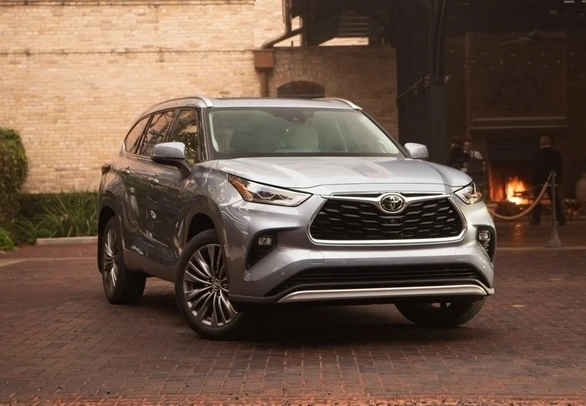
-

Worst Year
2008
-

Worst Module
Electrical
Issues by Year
Years to avoid. Click on columns for details
Malfunction Modules
Compare how reliable modules are. Select component for details
Best and Worst Years
-
Best Choice
2024 Highlander
Total Complaints:
2 issues
-
Worst Choice
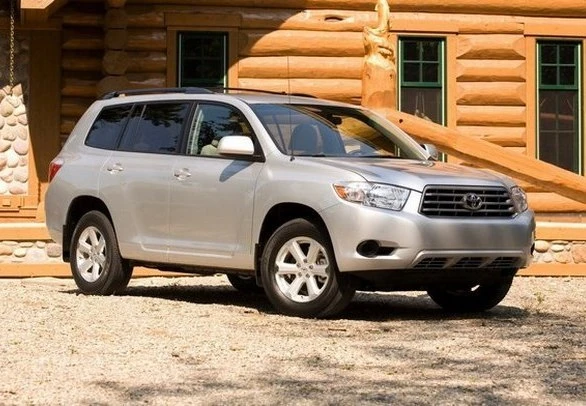
2008 Highlander
Car owners are faced with the first problems after 2 miles.
Total Complaints:
466 issues
Common Complaints and Reliability
-
1. Brake System Issues:
- Brakes feel spongy and require excessive pedal travel before stopping.
- Vehicle shudders or makes loud noises when braking hard.
- Master cylinder failures leading to extended stopping distances.
- Brake pedal going to the floor, requiring multiple presses to stop.
- Brakes feel spongy and require excessive pedal travel before stopping.
-
2. Unintended Acceleration and Throttle Control Problems:
- Sudden, unintended acceleration while braking or shifting gears.
- Gas pedal sticking, requiring extreme braking force to stop.
- Vehicle surging forward after stopping.
- Sudden, unintended acceleration while braking or shifting gears.
-
3. Transmission and Powertrain Issues:
- Transmission slipping, hesitating, or failing to shift properly.
- Hard gear changes and dragging sensation when coasting.
- Torque converter seal leaks leading to transmission fluid loss.
- Transmission failure requiring full replacement.
- Transmission slipping, hesitating, or failing to shift properly.
-
4. Engine and Oil System Failures:
- Engine oil sludge buildup leading to complete engine failure.
- Excessive oil consumption (1 quart per 1,000 miles).
- Engine overheating and catastrophic failure.
- Engine oil sludge buildup leading to complete engine failure.
-
5. Electrical and Sensor Malfunctions:
- Speedometer and dashboard gauges becoming unreadable in bright conditions.
- Infotainment system freezing or rebooting unexpectedly.
- Check engine and ABS warning lights activating without cause.
- Speedometer and dashboard gauges becoming unreadable in bright conditions.
-
6. Structural and Interior Design Flaws:
- Loud wind noise and vibrations when the rear windows are rolled down.
- Sun visors falling unexpectedly, blocking the driver’s vision.
- Cupholders positioned too close to the gear shifter, causing accidental shifts into neutral.
- Loud wind noise and vibrations when the rear windows are rolled down.
-
7. Tire and Suspension Failures:
- Tires wearing out prematurely, even after multiple alignments.
- Vehicle vibrating at high speeds due to poor wheel balancing.
- Tires wearing out prematurely, even after multiple alignments.
-
8. Safety Equipment Malfunctions:
- Airbags failing to deploy during major collisions.
- Seatbelt mechanisms failing to lock properly.
- Airbags failing to deploy during major collisions.
-
9. Fuel System and Gas Tank Defects:
- Fuel leaks due to cracked hoses or tank defects.
- Inability to fill the gas tank to full capacity.
- Fuel leaks due to cracked hoses or tank defects.
Questions
-
What does "Limited" mean on a Toyota Highlander?
In the context of the Toyota Highlander, the term "Limited" is used to denote a specific trim level or package that typically includes a range of upgraded features and amenities. The Highlander Limited trim is often positioned at a higher level than the base model, offering additional luxury, convenience, and technology enhancements. Features commonly found on a Highlander Limited trim may include premium leather upholstery, heated and ventilated seats, a larger infotainment display, advanced safety technologies, upgraded audio systems, panoramic sunroof, power tailgate, and more. The Highlander Limited trim is designed to provide a more upscale and feature-rich driving experience for those seeking added comfort and luxury in their vehicle.
-
What does master warning light mean Toyota Highlander?
The master warning light in a Toyota Highlander is a general alert that indicates a potential issue or malfunction with various vehicle systems. When this light illuminates on the dashboard, it typically accompanies a message or symbol on the multi-information display to provide more specific information about the problem. The master warning light can indicate issues such as low tire pressure, malfunctioning brake system, low engine oil pressure, or other system malfunctions that require immediate attention. It is important to refer to the owner's manual or seek professional assistance to diagnose and address the specific problem indicated by the master warning light to ensure the safe operation of the vehicle.
-
What years Toyota Highlander to avoid?
When considering a used Toyota Highlander, some model years to approach with caution include the 2008 and 2010 versions, which had reported complaints of potential transmission failures and engine problems. The 2014 model year also had some complaints regarding reliability issues and transmission malfunctions. It is recommended to conduct thorough research, inspect the vehicle's maintenance history, and consider a pre-purchase inspection before selecting a used Toyota Highlander to ensure you choose a model that aligns with your needs and expectations.
-
Why buy a Toyota Highlander?
There are several reasons to consider buying a Toyota Highlander. The Highlander offers a spacious and versatile interior with seating for up to eight passengers, making it ideal for families and those needing extra cargo capacity. It is known for its strong reliability, quality build, and advanced safety features, providing peace of mind for drivers and passengers. The Highlander offers a smooth and comfortable ride, excellent fuel efficiency, and a range of trim levels to suit various preferences and budgets. With its reputation for durability, resale value, and a range of technology and convenience features, the Toyota Highlander is a well-rounded and popular choice among midsize SUVs.
-
Why won't my phone connect to my Toyota Highlander?
If your phone is unable to connect to your Toyota Highlander, it may be due to issues such as Bluetooth connectivity problems, outdated software on either the phone or the vehicle, or compatibility issues. Check if Bluetooth is turned on, ensure the phone is visible or discoverable, and try restarting both the phone and the vehicle's infotainment system. If the problem persists, consider checking for software updates on both devices, removing and re-pairing the phone, and consulting the vehicle's manual for specific troubleshooting steps tailored to your Toyota Highlander model.
-
Why won't my Toyota Highlander start?
If your Toyota Highlander is not starting, potential reasons could include a dead battery, faulty starter motor, fuel system problems, ignition issues, or engine malfunctions. Check the battery connections, ensure there is fuel in the tank, and attempt jump-starting the car. If the problem persists, it's advisable to seek professional help for a thorough diagnosis and resolution to get your Toyota Highlander running smoothly again.
Other Models
- 4Runner Number of complaints: 6653
- 86 Number of complaints: 13
- Avalon Number of complaints: 3905
- Avalon Hybrid Number of complaints: 66
- Avensis Number of complaints: 2
- C-HR Number of complaints: 221
- Camry Number of complaints: 20484
- Camry Hybrid Number of complaints: 1556
- Cavalier Number of complaints: 2
- Celica Number of complaints: 513
- Corolla Number of complaints: 13040
- Corolla Cross Number of complaints: 278
- Corolla Cross Hybrid Number of complaints: 2
- Corolla Hatchback Number of complaints: 2
- Corolla Hybrid Number of complaints: 3
- Corolla iM Number of complaints: 24
- Corona Number of complaints: 2
- Corona Station Wagon Number of complaints: 1
- Cressida Number of complaints: 55
- Crown Number of complaints: 7
- Echo Number of complaints: 248
- FJ Cruiser Number of complaints: 1068
- GR Corolla Number of complaints: 3
- GR86 Number of complaints: 24
- Grand Highlander Number of complaints: 27
- Grand Highlander Hybrid Number of complaints: 1
- Highlander Number of complaints: 4934
- Highlander Hybrid Number of complaints: 1024
- Hilux Number of complaints: 499
- Land Cruiser Number of complaints: 349
- MR2 Number of complaints: 60
- MR2 Spyder Number of complaints: 37
- Matrix Number of complaints: 1817
- Mirai Number of complaints: 19
- Motorhome Number of complaints: 16
- Paseo Number of complaints: 43
- PreRunner Number of complaints: 30
- Previa Number of complaints: 258
- Prius Number of complaints: 14097
- Prius C Number of complaints: 197
- Prius Plug-in Hybrid Number of complaints: 74
- Prius Prime Number of complaints: 94
- Prius V Number of complaints: 454
- RAV4 Number of complaints: 9230
- RAV4 EV Number of complaints: 31
- RAV4 Hybrid Number of complaints: 87
- RAV4 Prime Number of complaints: 106
- Scion FR-S Number of complaints: 5
- Scion iQ Number of complaints: 1
- Scion tC Number of complaints: 28
- Scion xB Number of complaints: 12
- Scion xD Number of complaints: 3
- Sequoia Number of complaints: 4537
- Sequoia SR5 Number of complaints: 175
- Sienna Number of complaints: 10097
- Sienna Hybrid Number of complaints: 19
- Solara Number of complaints: 1018
- Sunrader Number of complaints: 2
- Supra Number of complaints: 100
- T100 Number of complaints: 399
- Tacoma Number of complaints: 9168
- Tercel Number of complaints: 383
- Tundra Number of complaints: 6943
- Tundra Hybrid Number of complaints: 4
- Van Number of complaints: 41
- Venza Number of complaints: 715
- Venza Hybrid Number of complaints: 7
- Yaris Number of complaints: 1146
- Yaris iA Number of complaints: 25
- bZ4X Number of complaints: 7